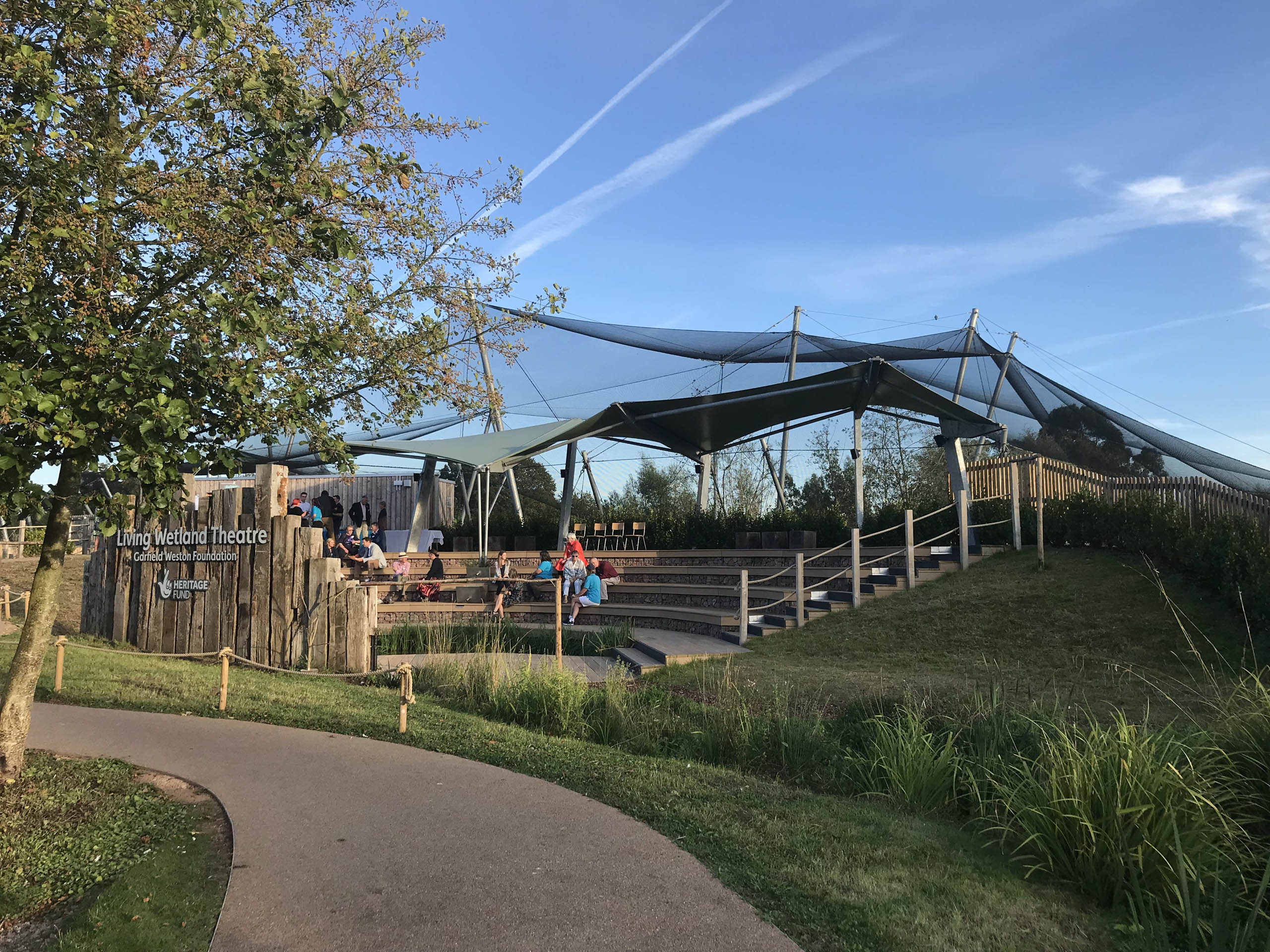
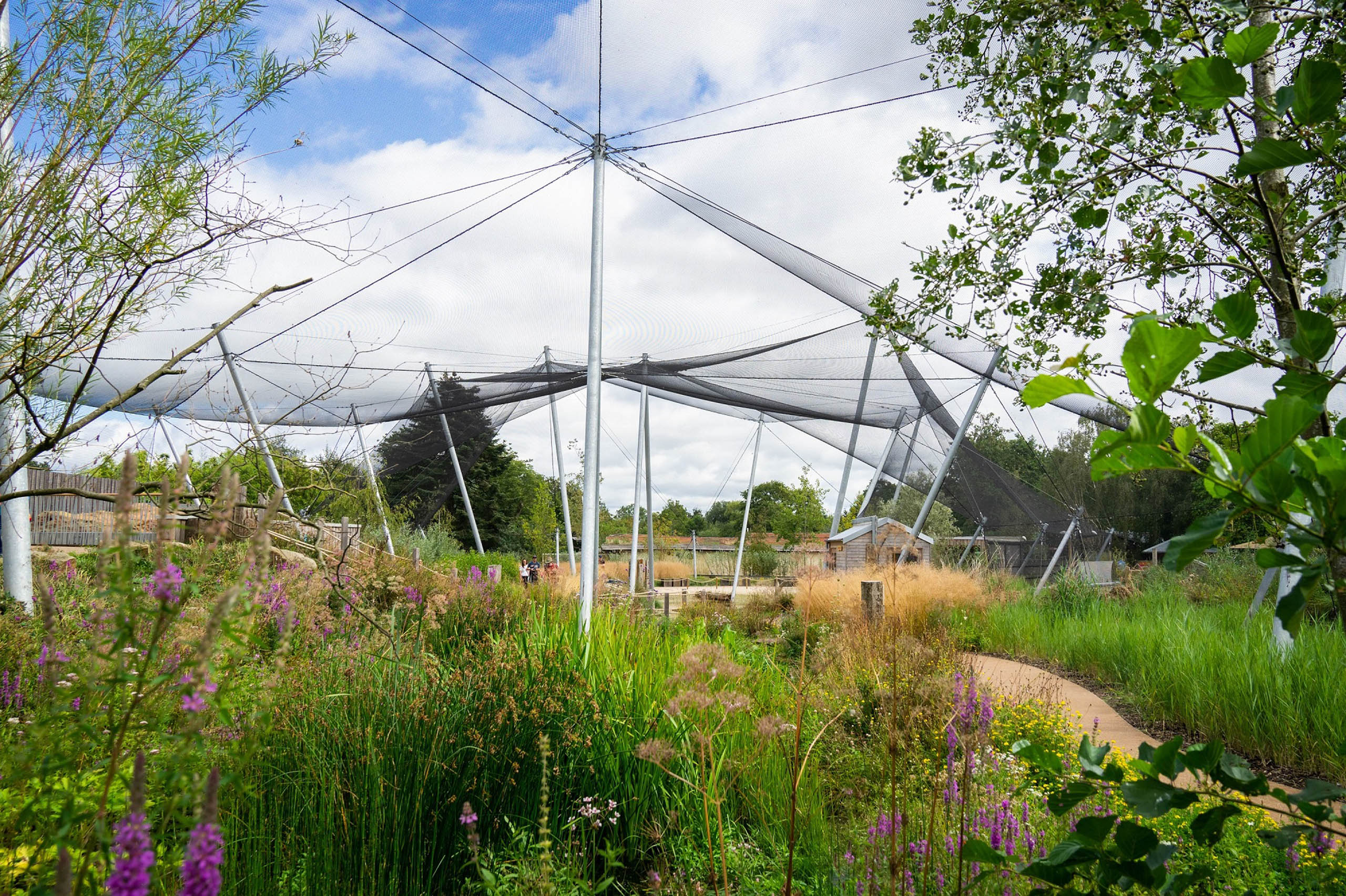
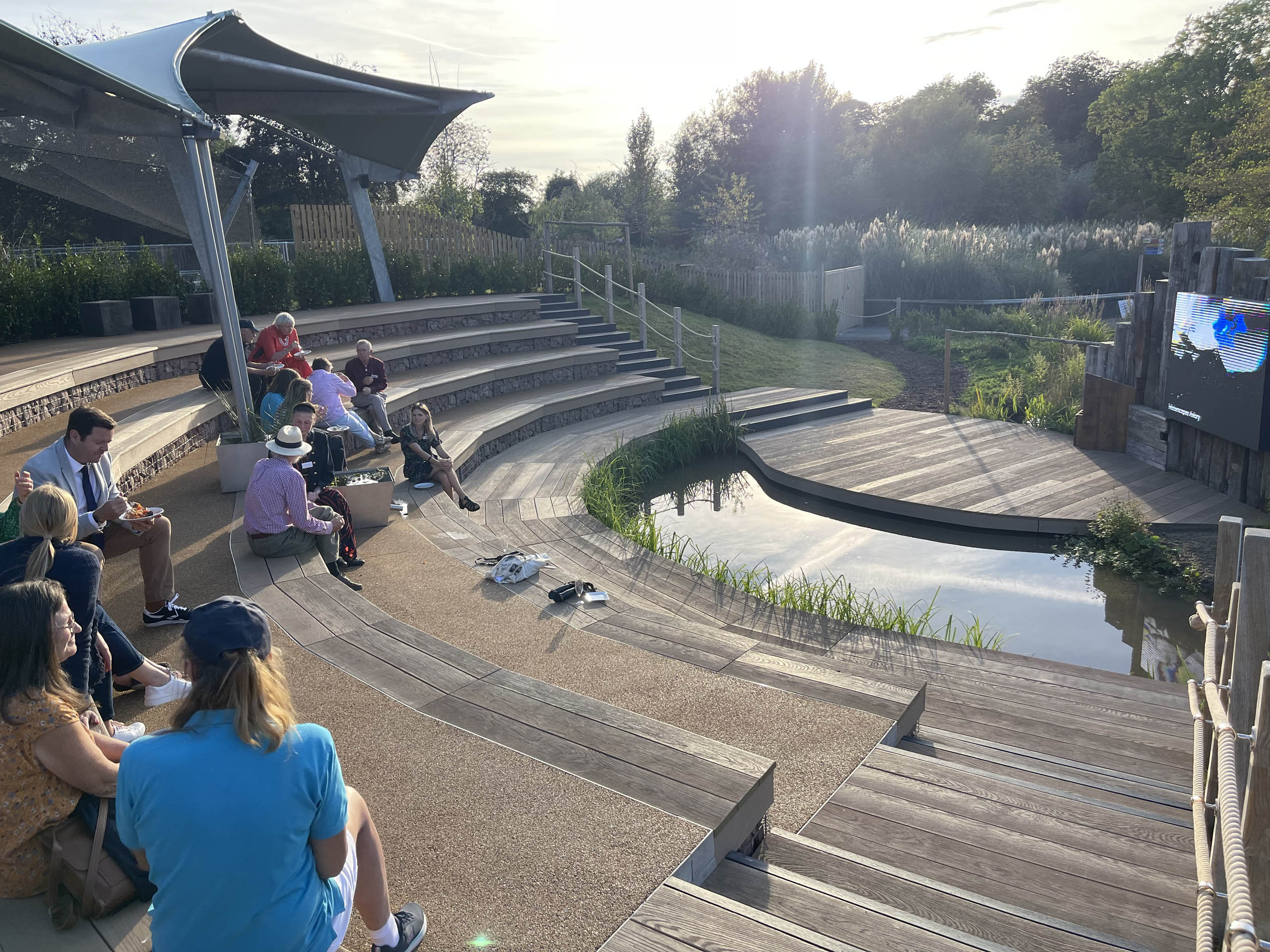
This one-of-a-kind project provides an open air venue for interactive talks and live bird flight demonstrations on stage: the Living Wetland Theatre and adjacent Waterscapes Aviary. The project formed part of a £4.4million National Lottery Heritage Fund awarded to the Wildfowl & Wetlands Trust’s (WWT) Slimbridge Wetland Centre in Gloucestershire.
The WWT are the wetland restoration charity, and we are proud to be part of their incredible work in conservation and education.
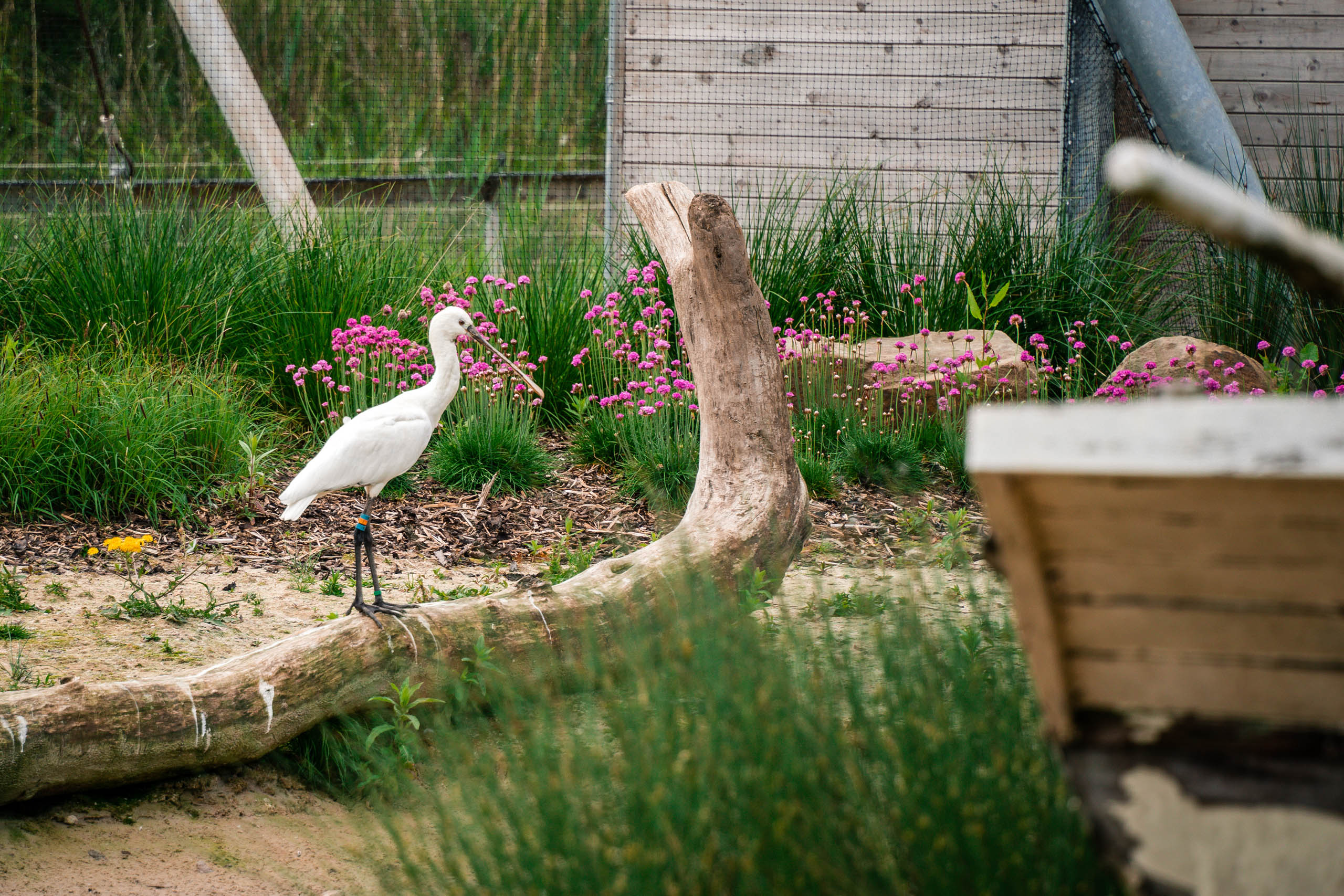
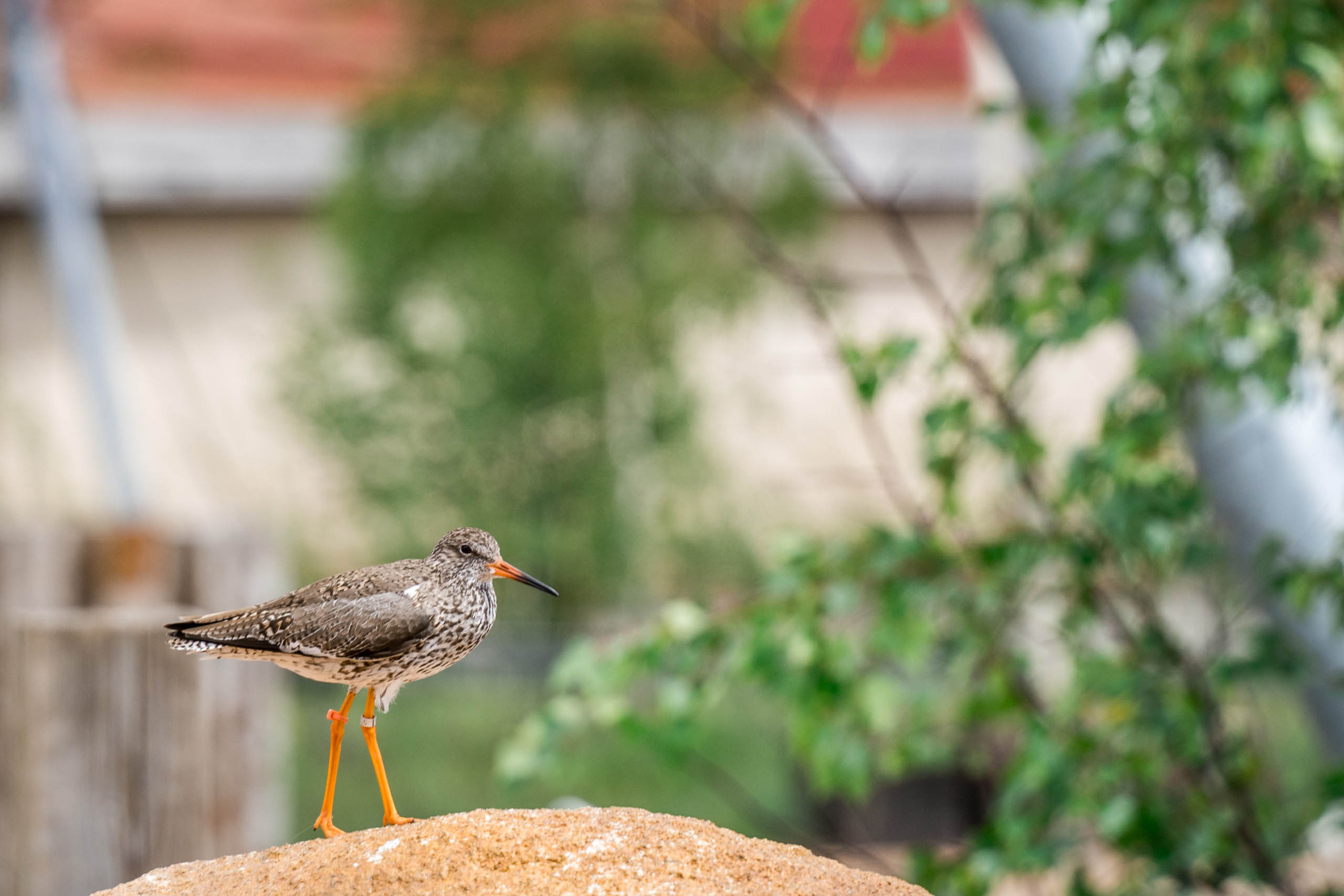
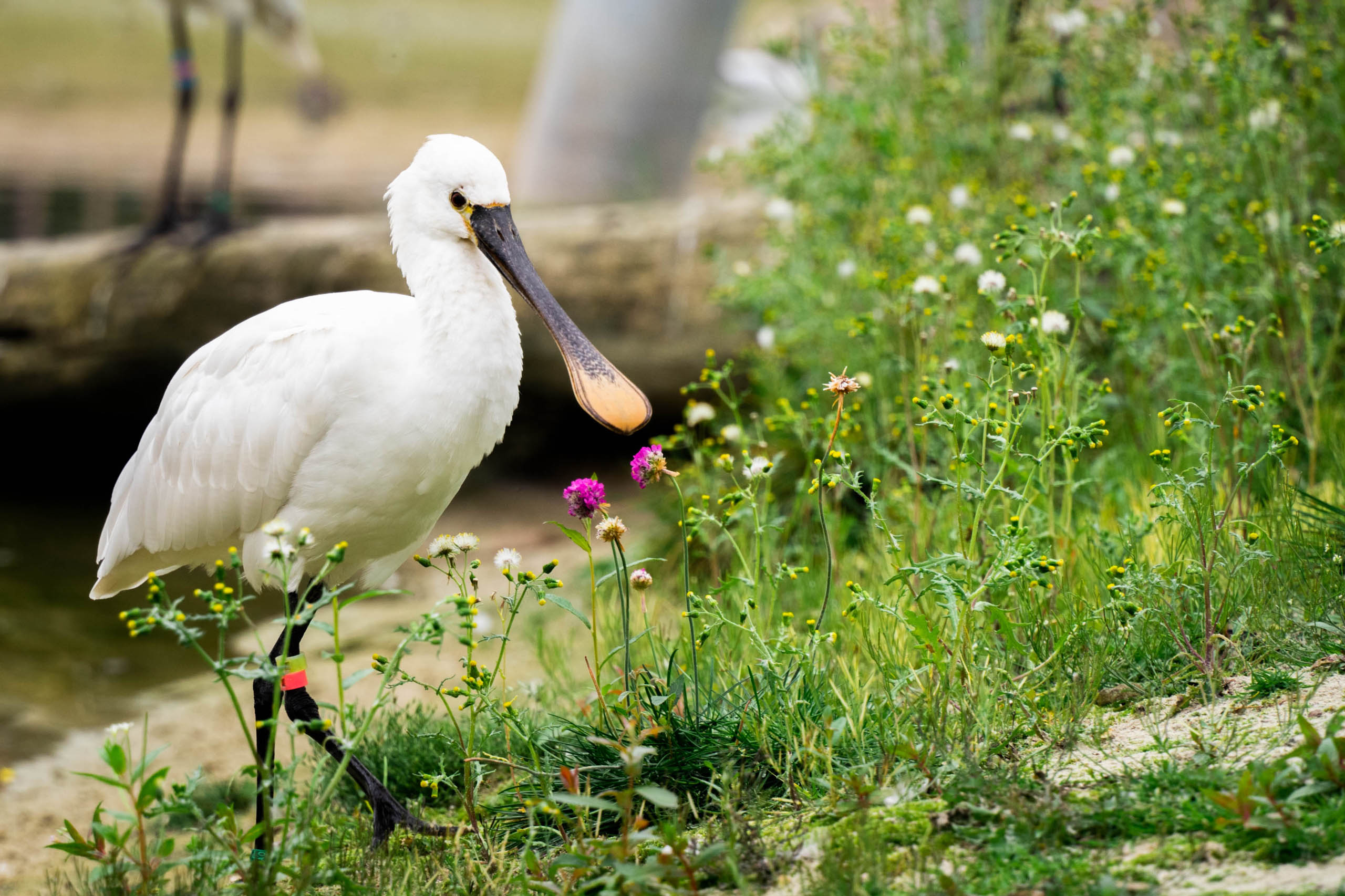
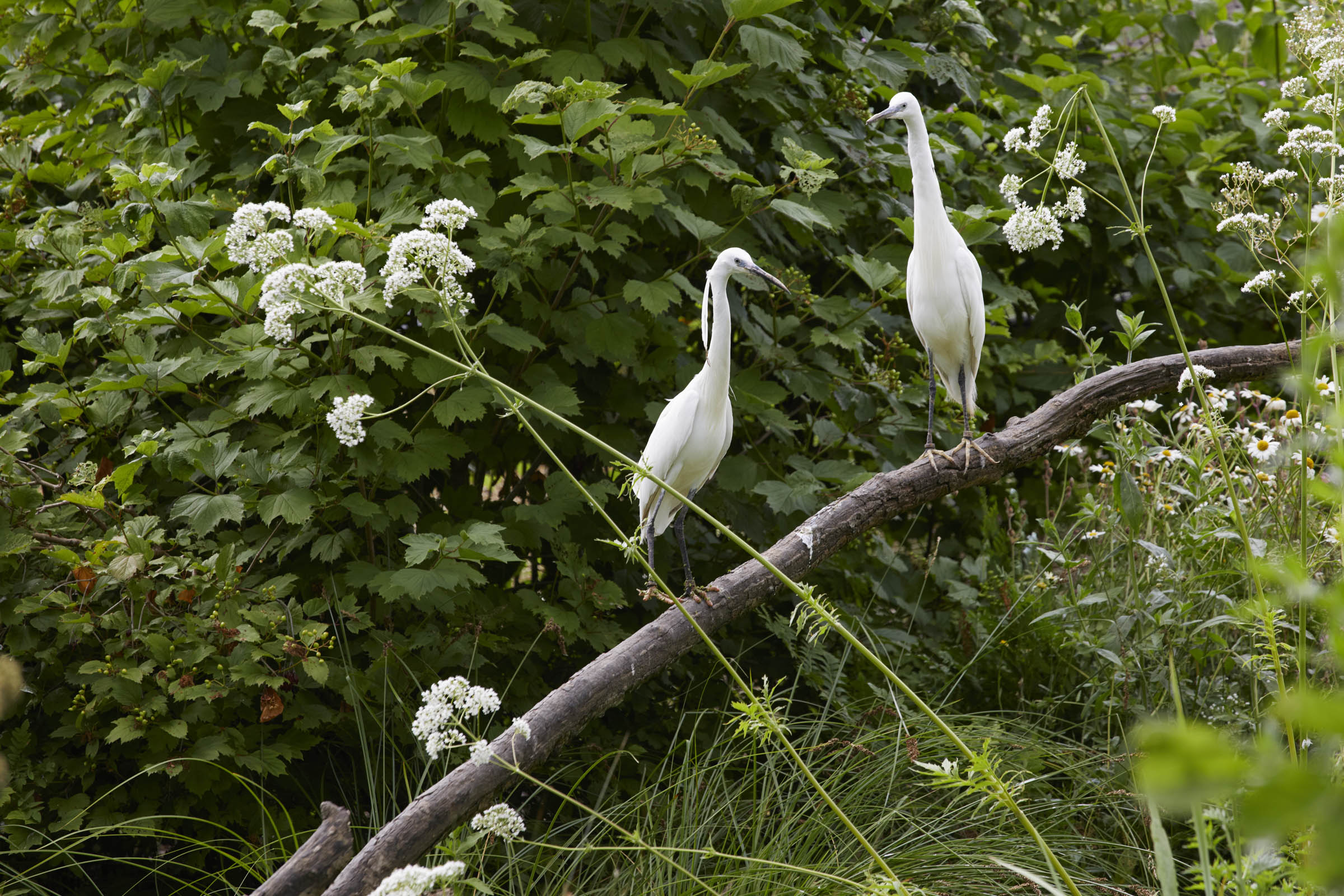
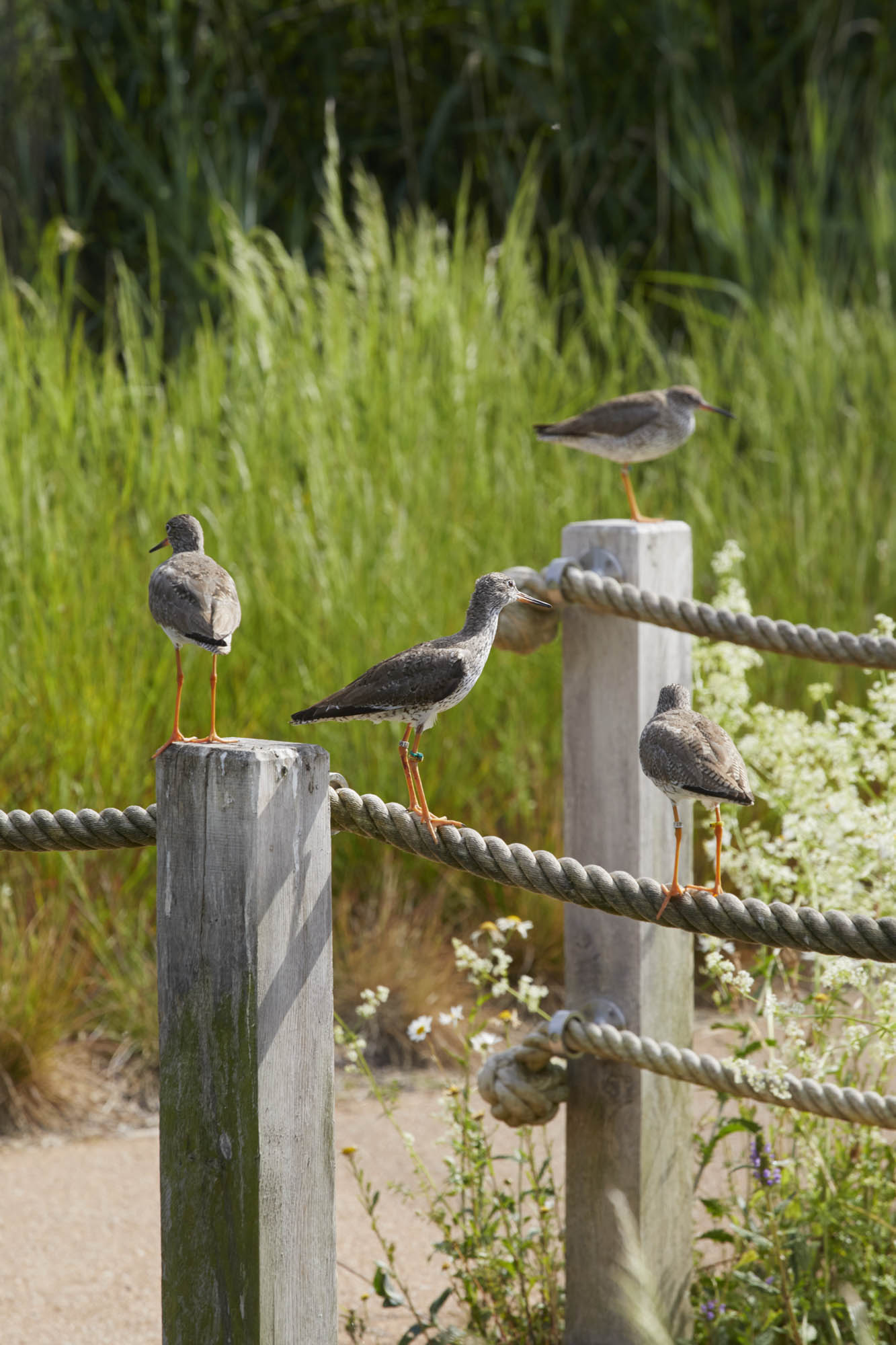
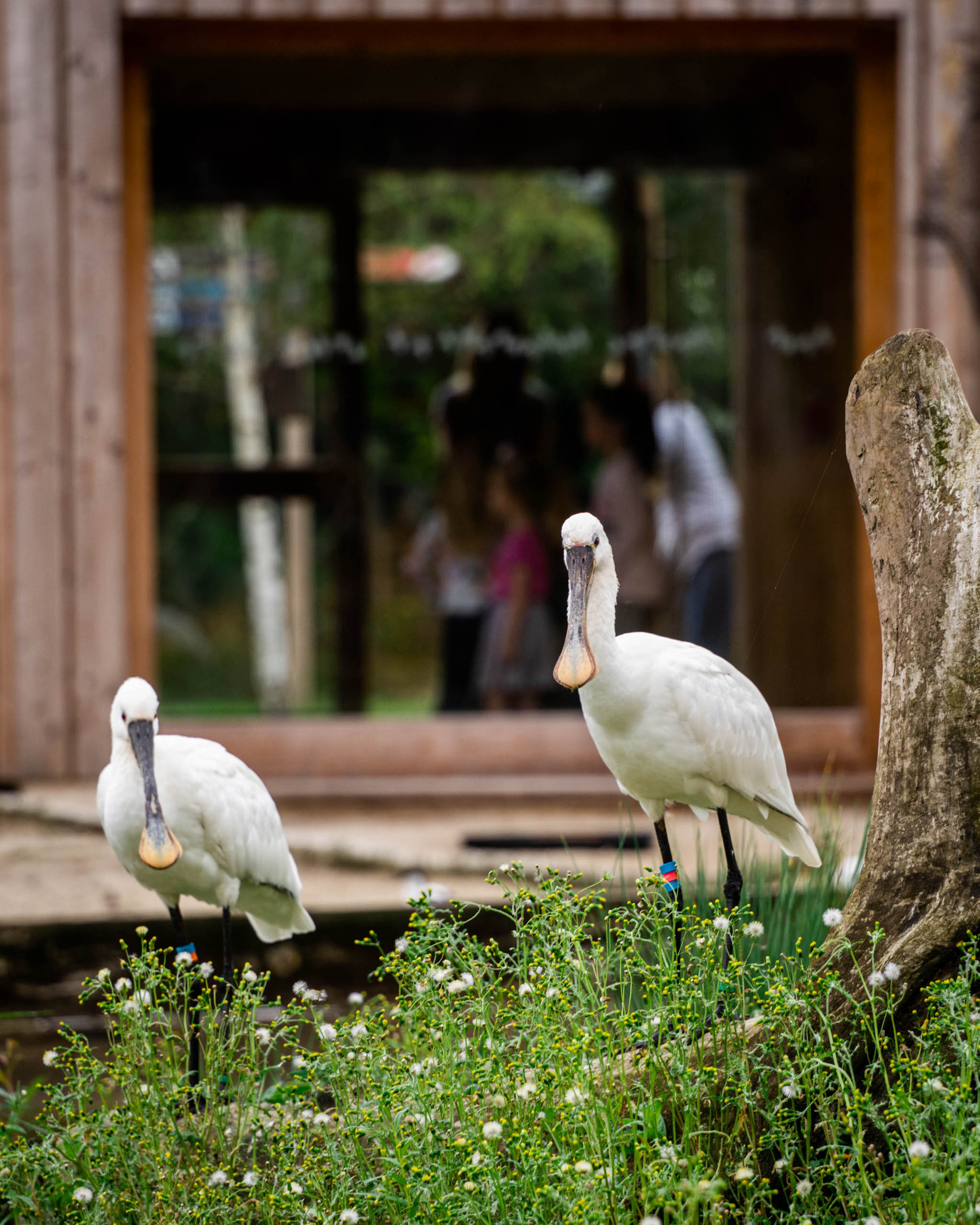
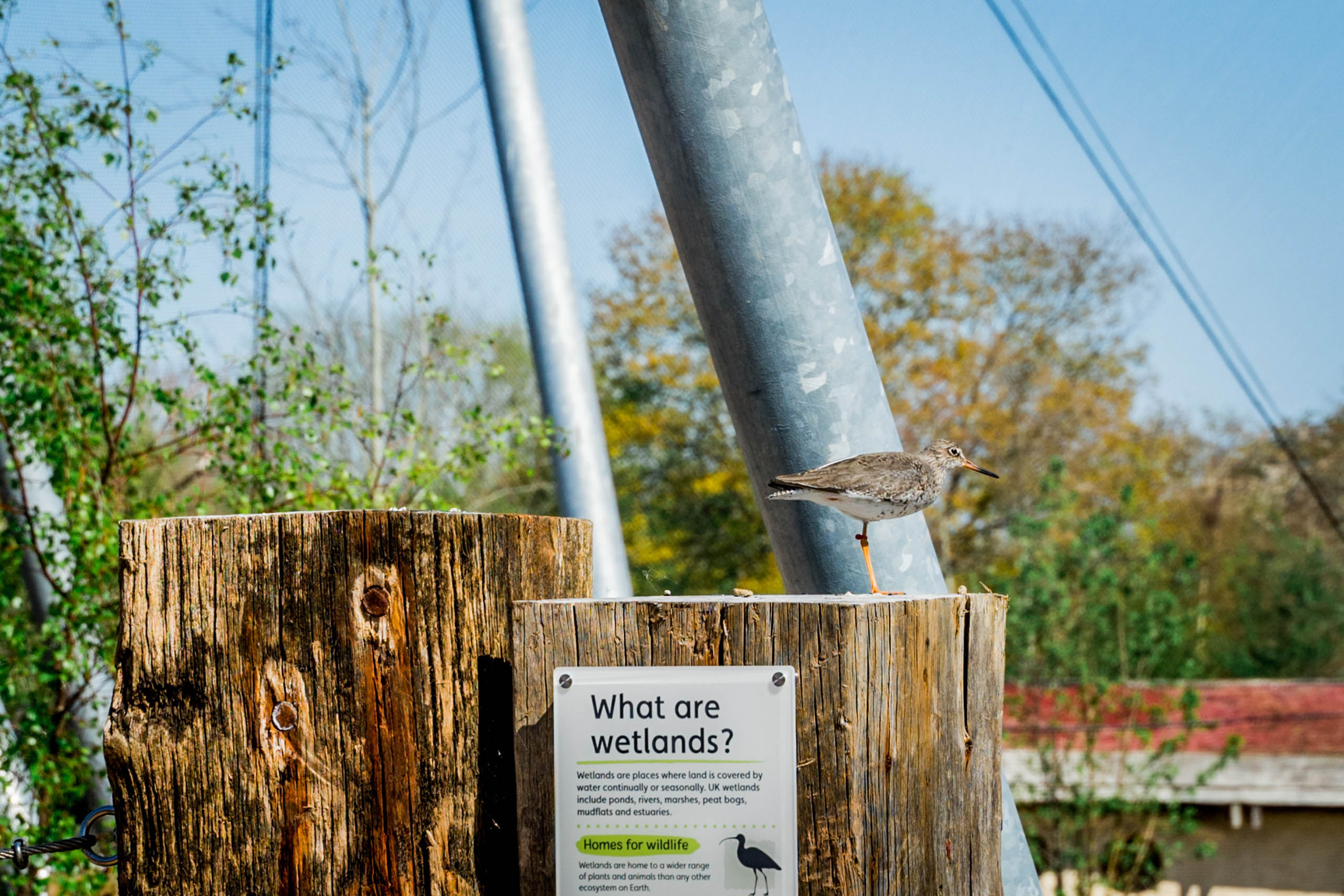
The basis for the Living Wetland Theatre is that ‘wetlands are amazing!’ – yet these amazing places are under threat of being lost. In line with the WWT’s values, a new waterscapes aviary exhibit to celebrate the diversity of UK wetlands – and teach people about their restoration – was envisaged at Slimbridge. This could feature reedbeds, marsh and tidal estuarine environments, and house a whole host of native bird species from small passerines – bearded reedling, reed warbler – to graceful waders, ducks, little egrets and spoonbills.
Our initial work included in-depth desktop study and site visits through the year to experience the existing site, its topography, existing landscape features and its microclimate within context of the wider wetlands site, which lies close to the River Severn. These layers of information informed our development of the site’s layout options, which we worked through closely alongside Kay Elliott Architects, Hoare Lea, and David Dexter Engineers.
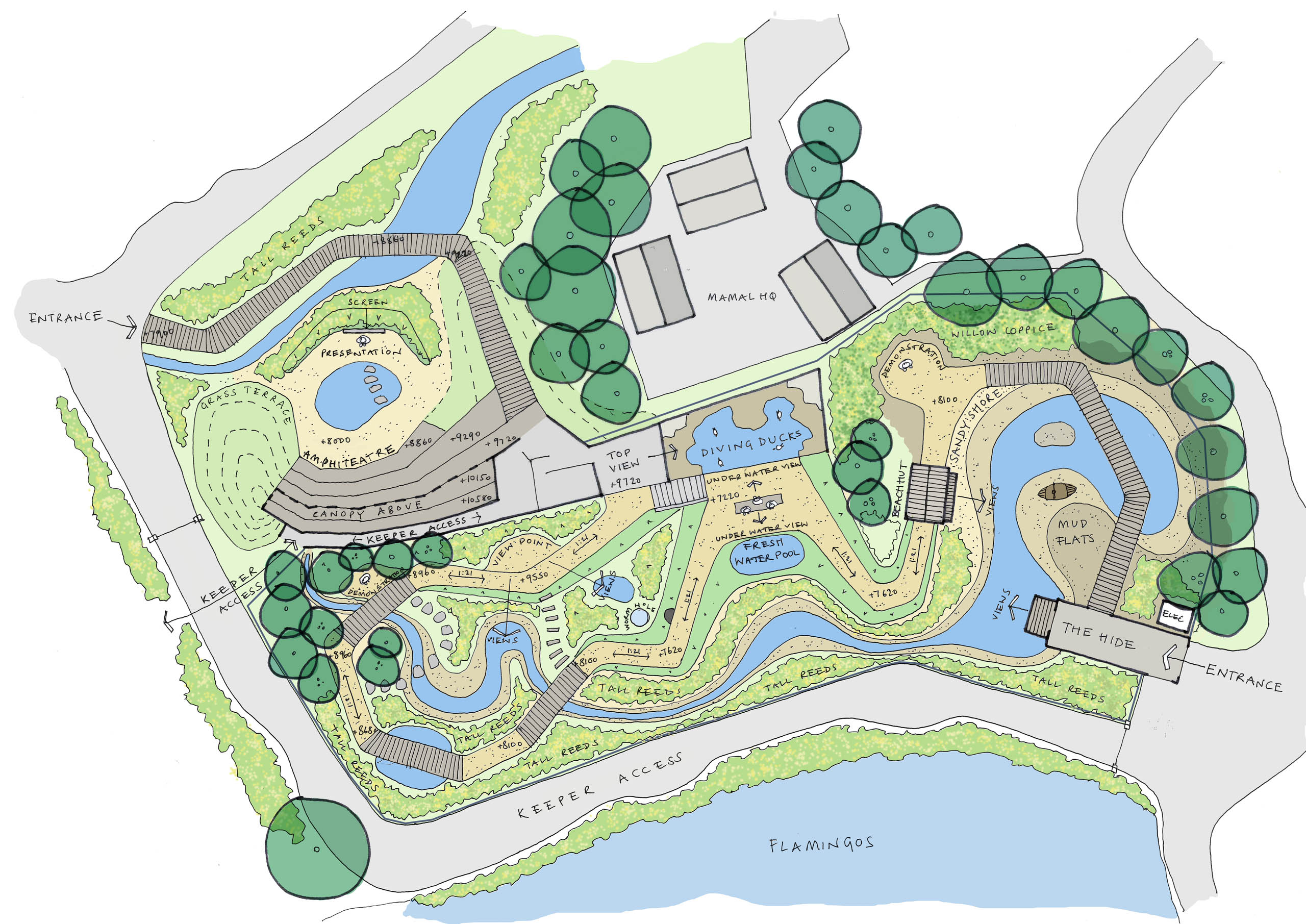
The exhibit’s developing design was honed in close collaboration with WWT, and we kept Slimbridge’s thousands of visitors, dedicated staff, and its wildlife in mind throughout. The Waterscapes Aviary had to be home to a variety of bird species 365 days of the year; be accessible to all for an enriched educational experience; and an immersive sensory experience. To achieve the latter, the sound of birds would be paired with our vision for textured planting, changing as you transition through the aviary. Talks and demonstrations would be provided in a new amphitheatre space, bringing the experience to life. Thought also had to be given to the practicalities of diverting a watercourse through the site, as well as the day-to-day site servicing, management of the birds and the habitats.
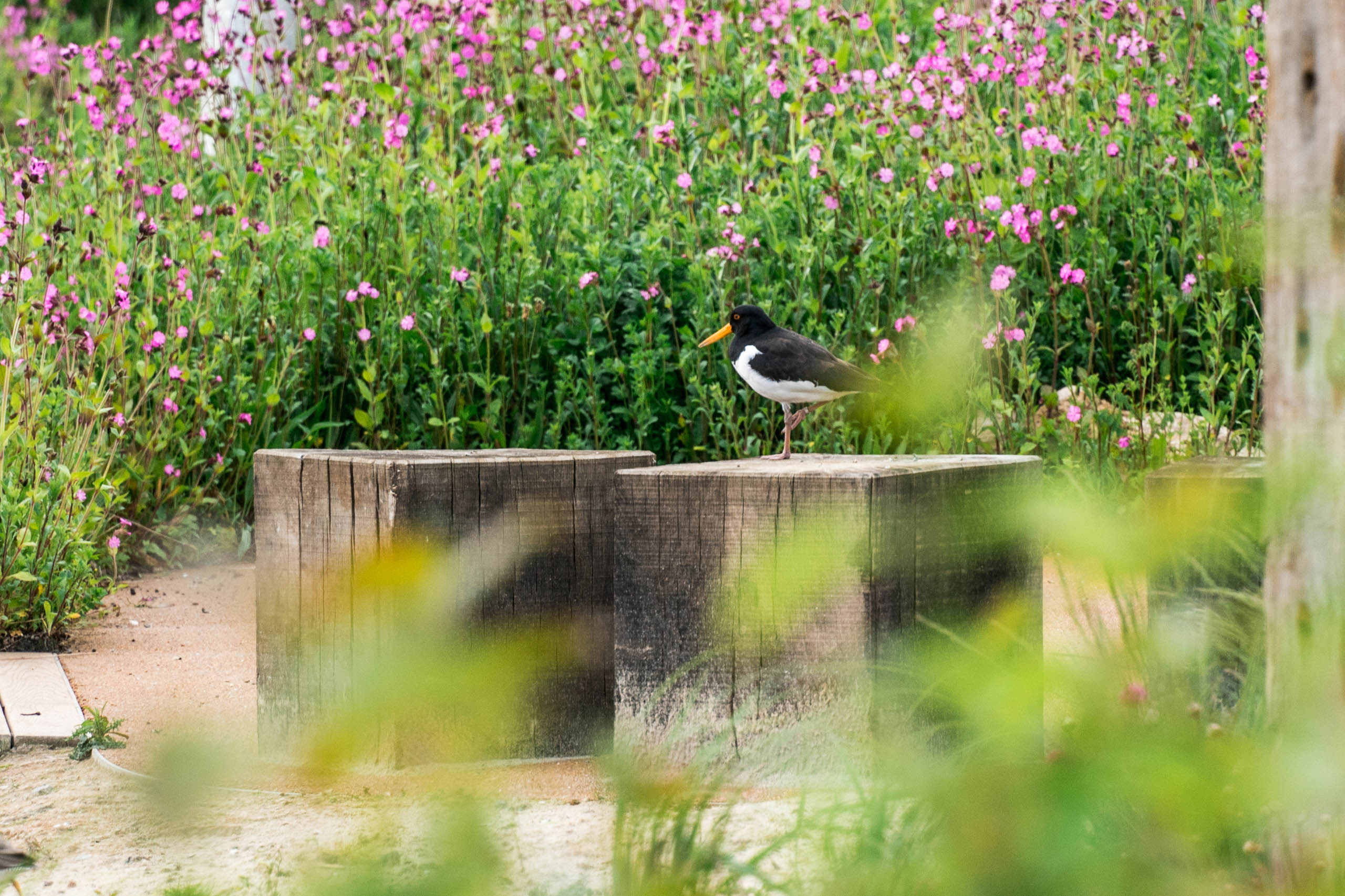
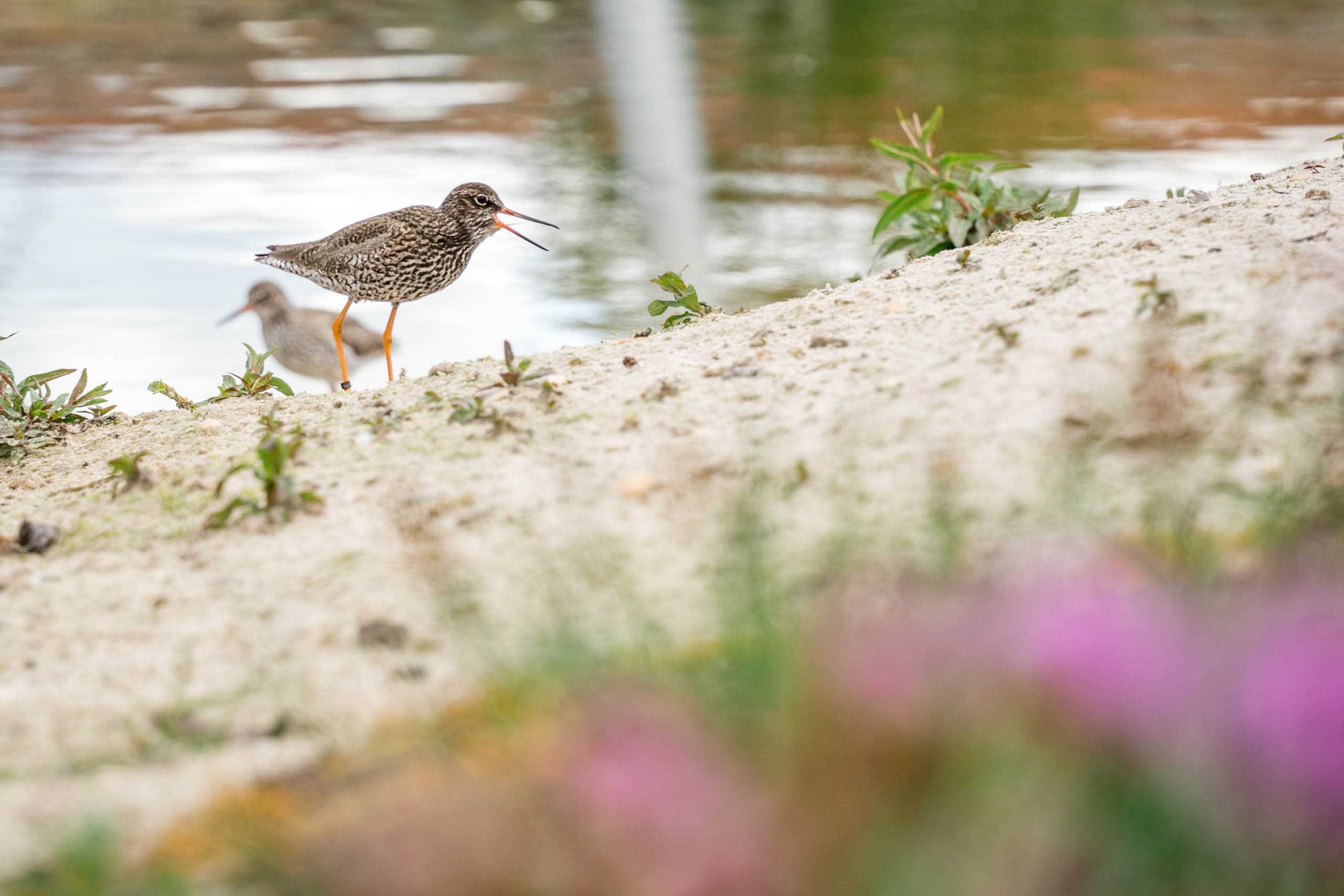
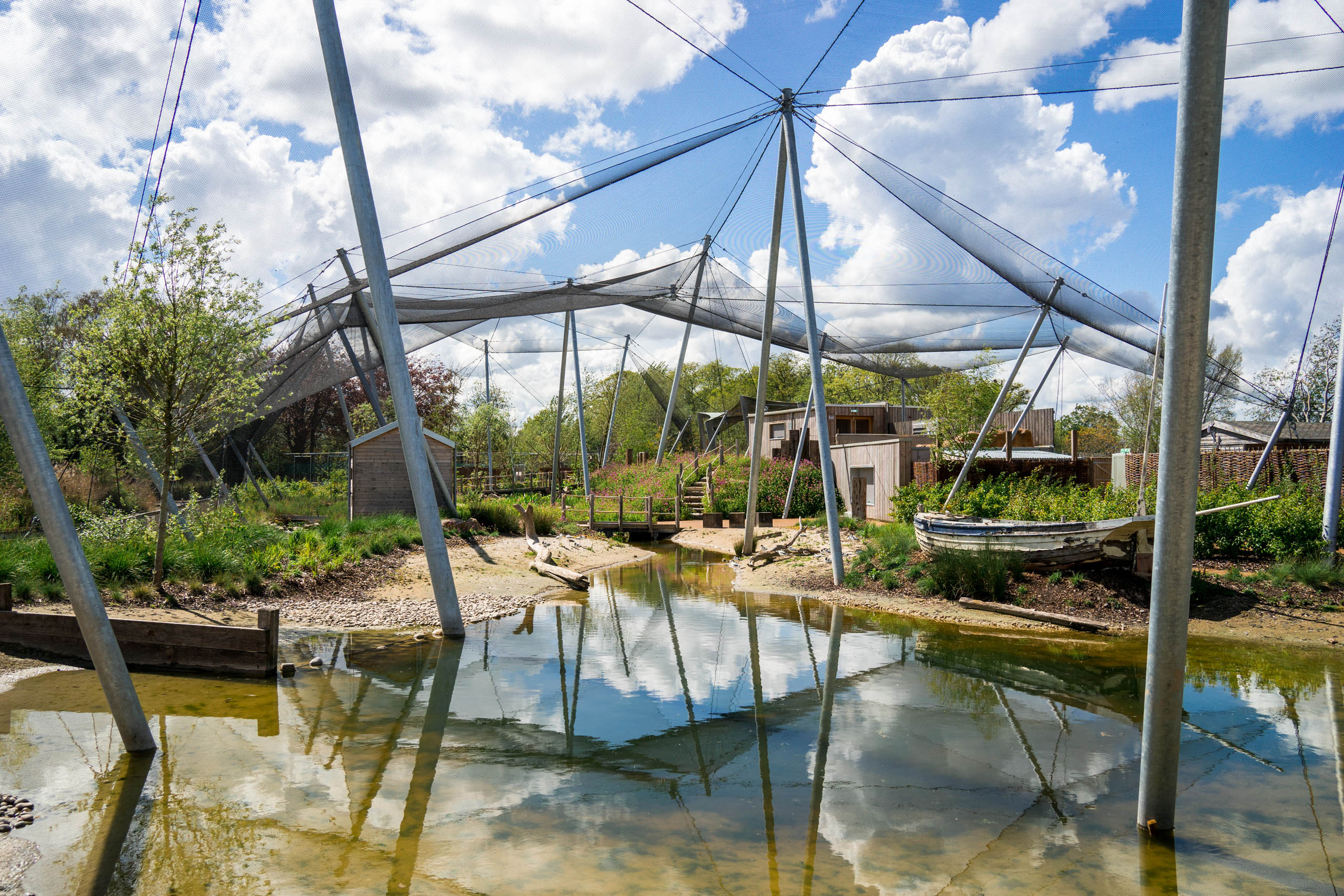
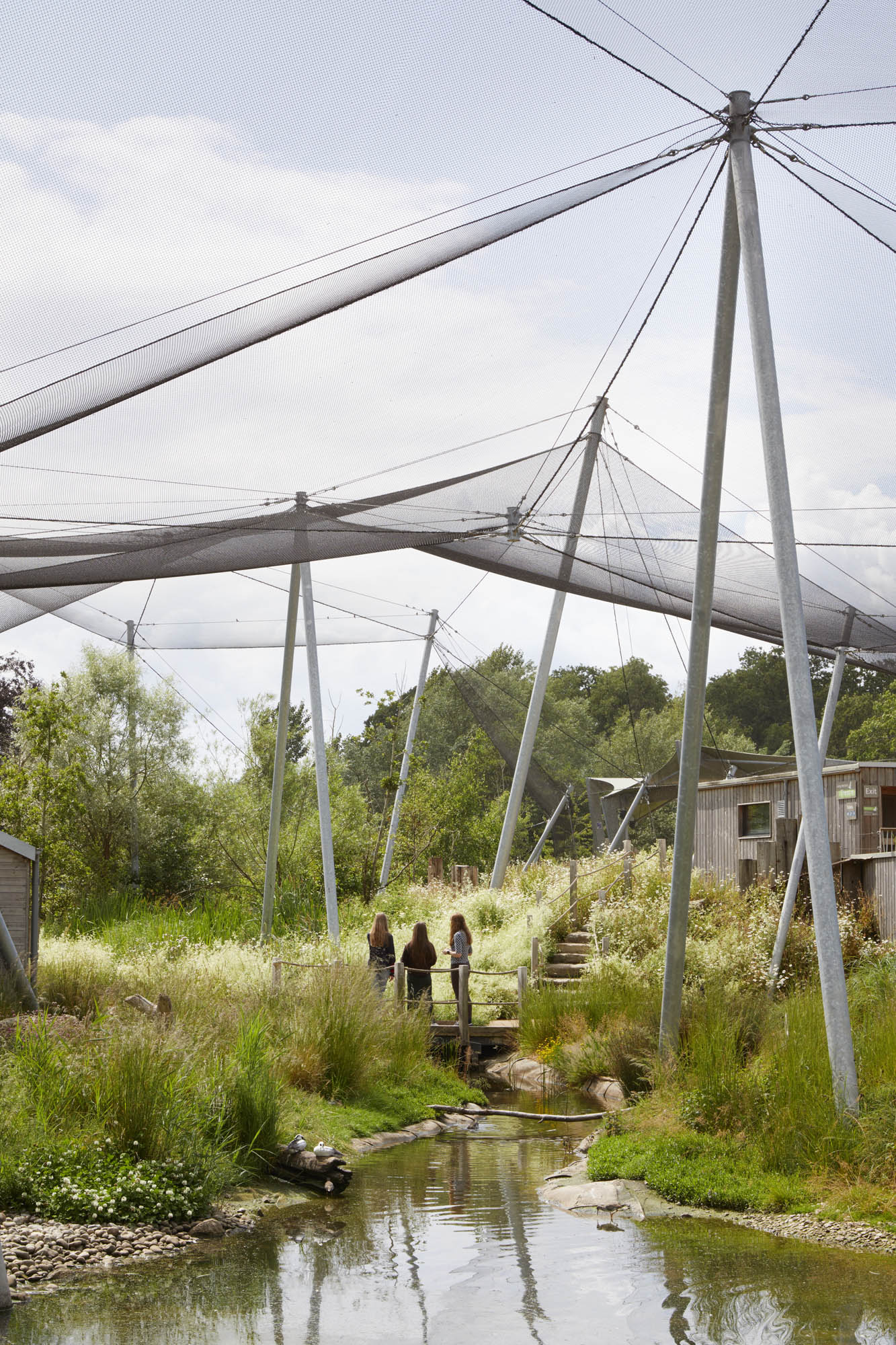
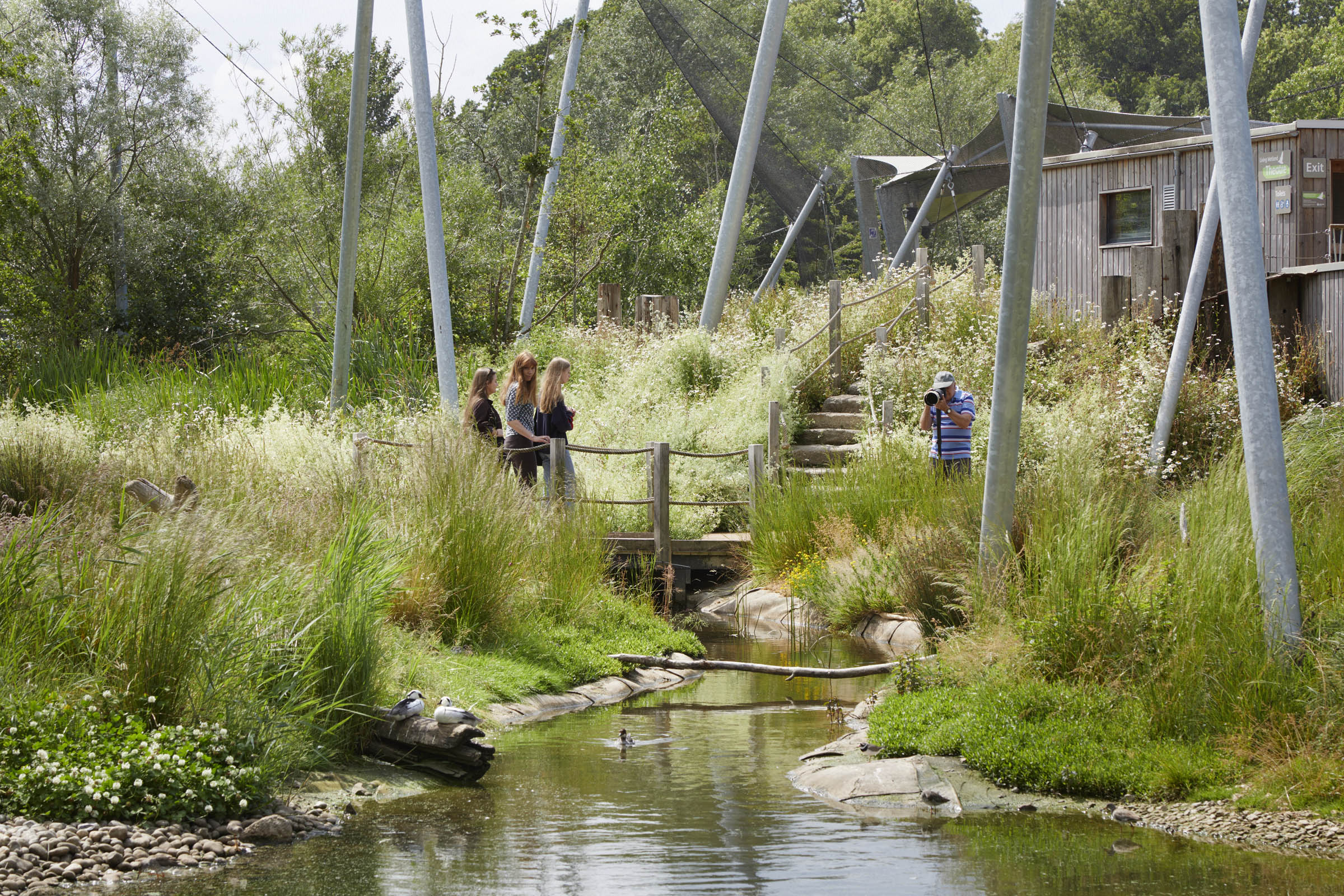
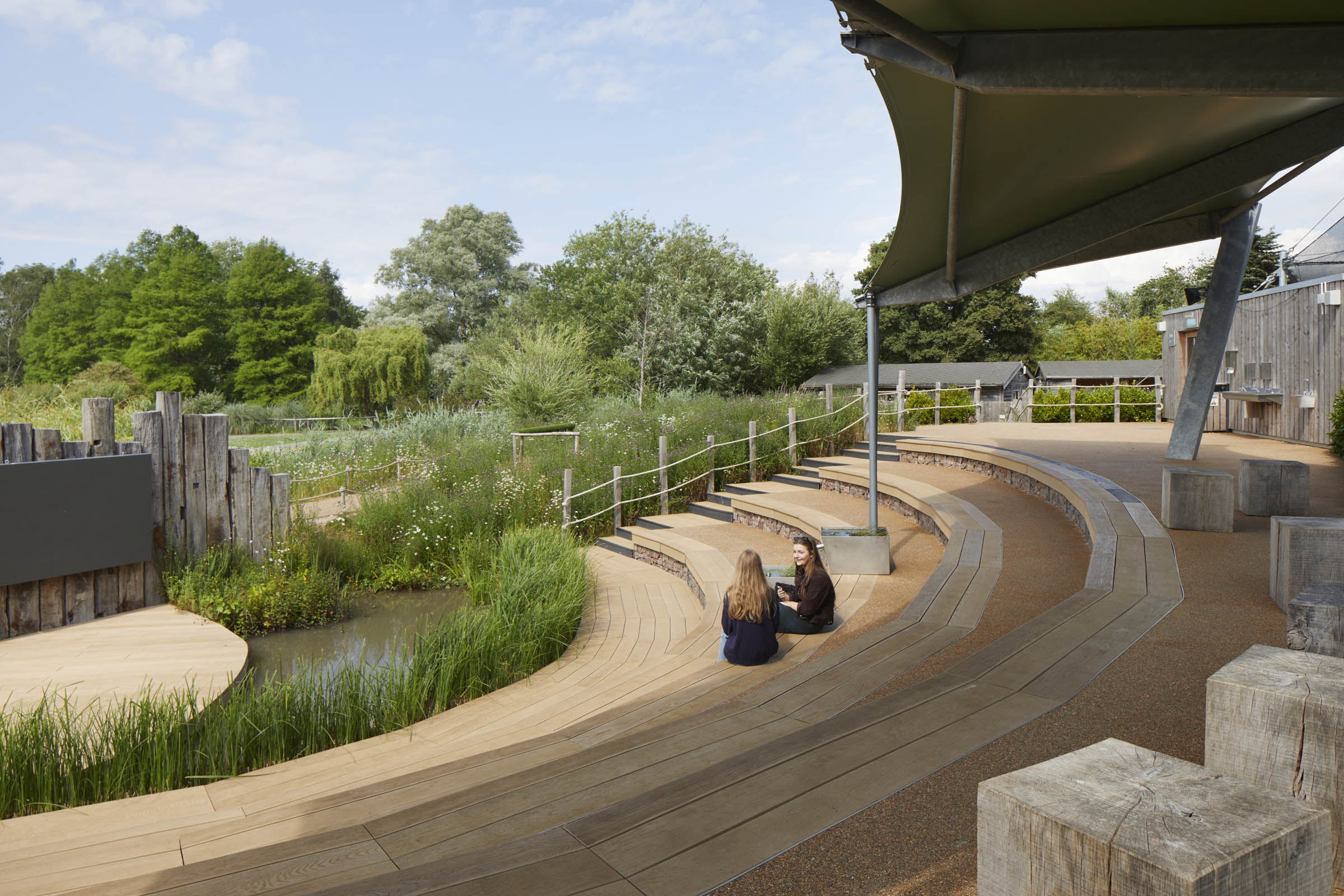
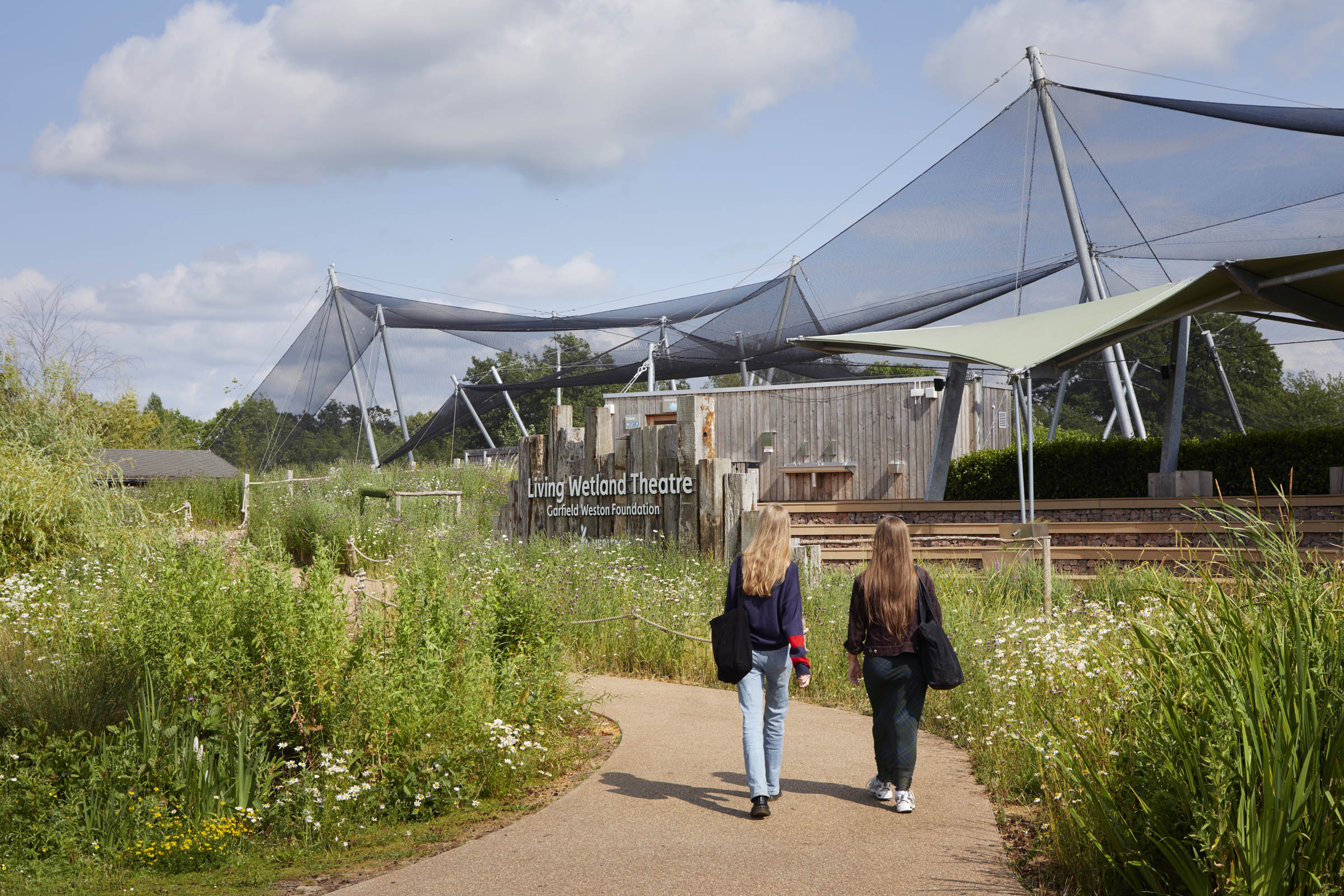
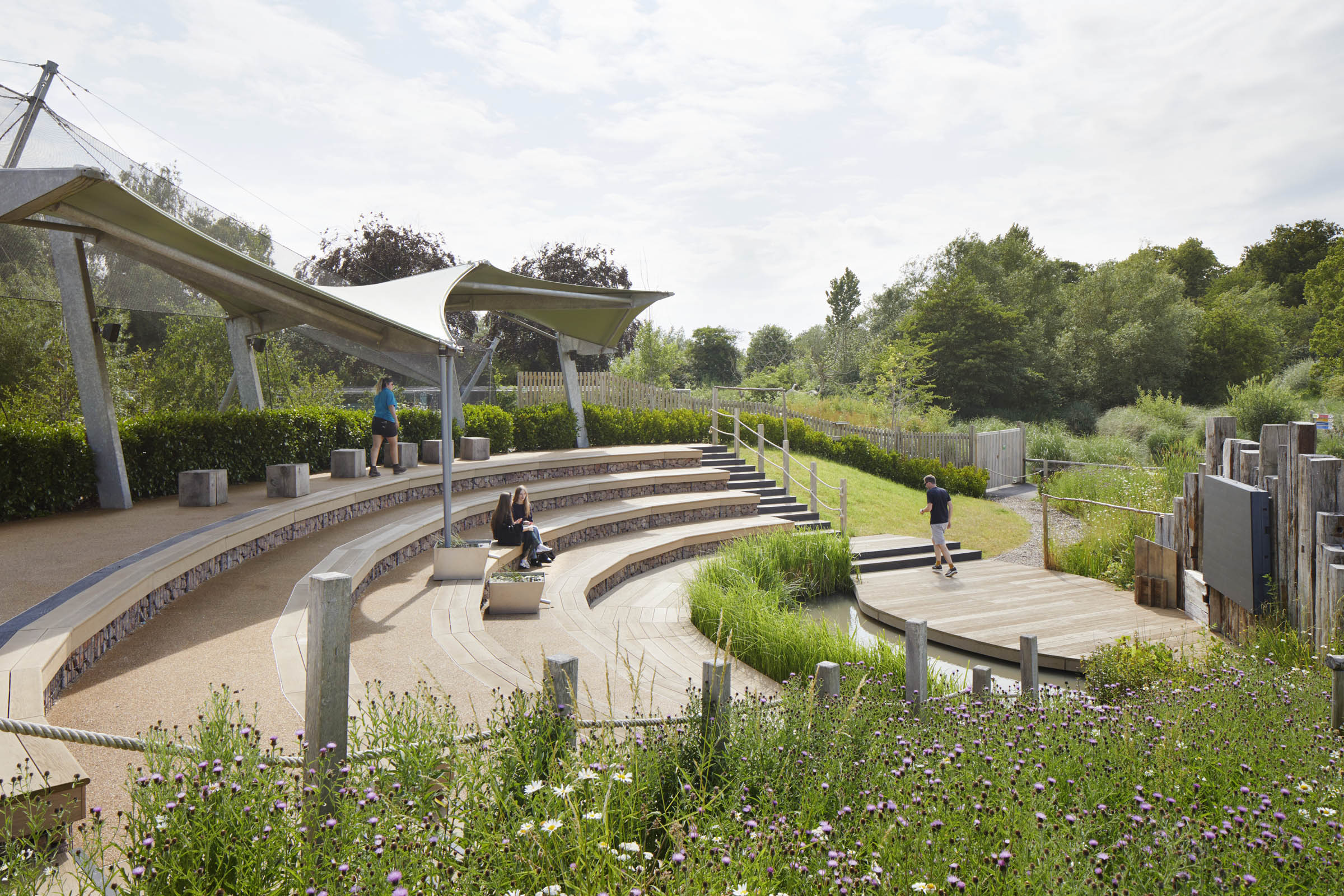
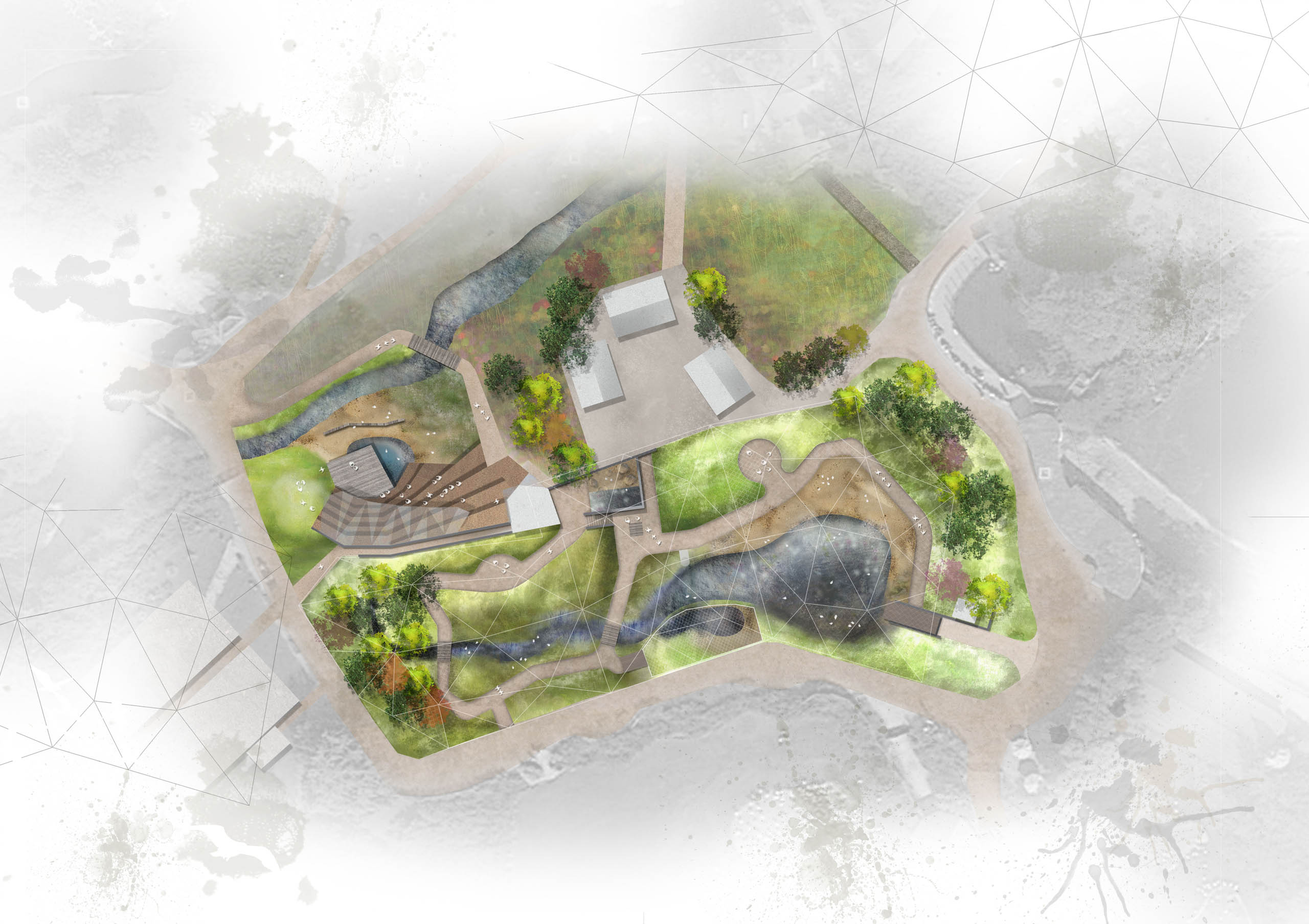
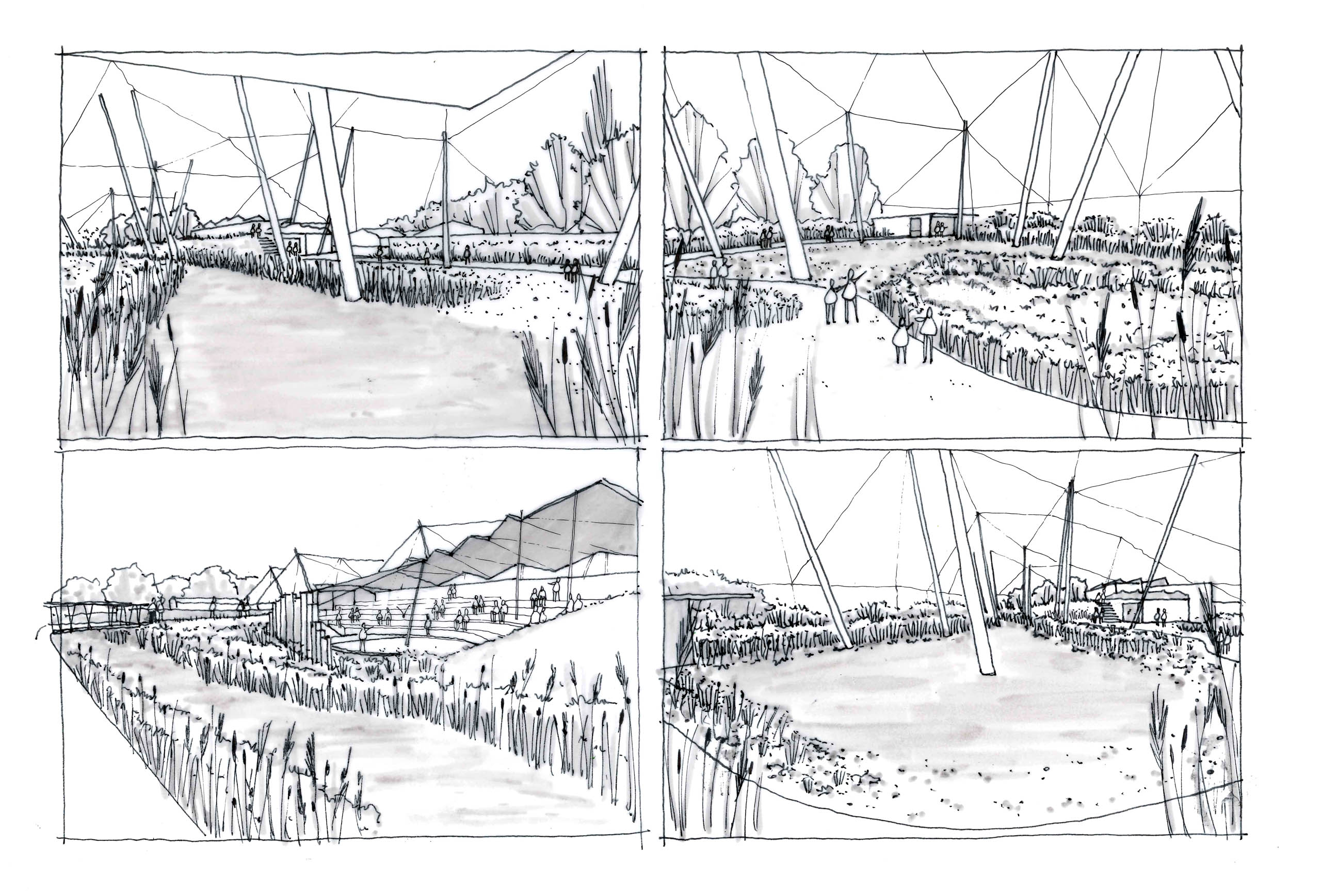
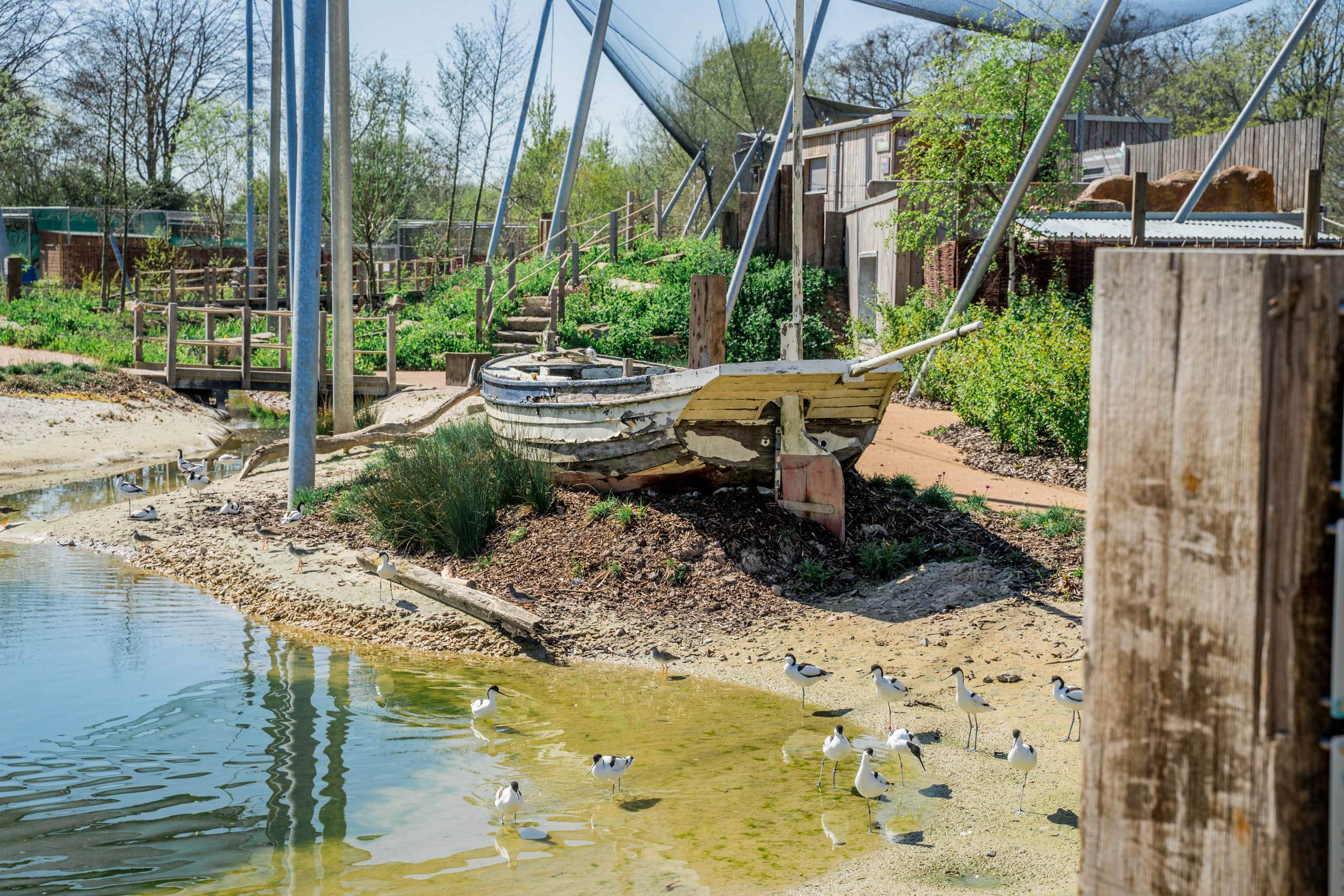
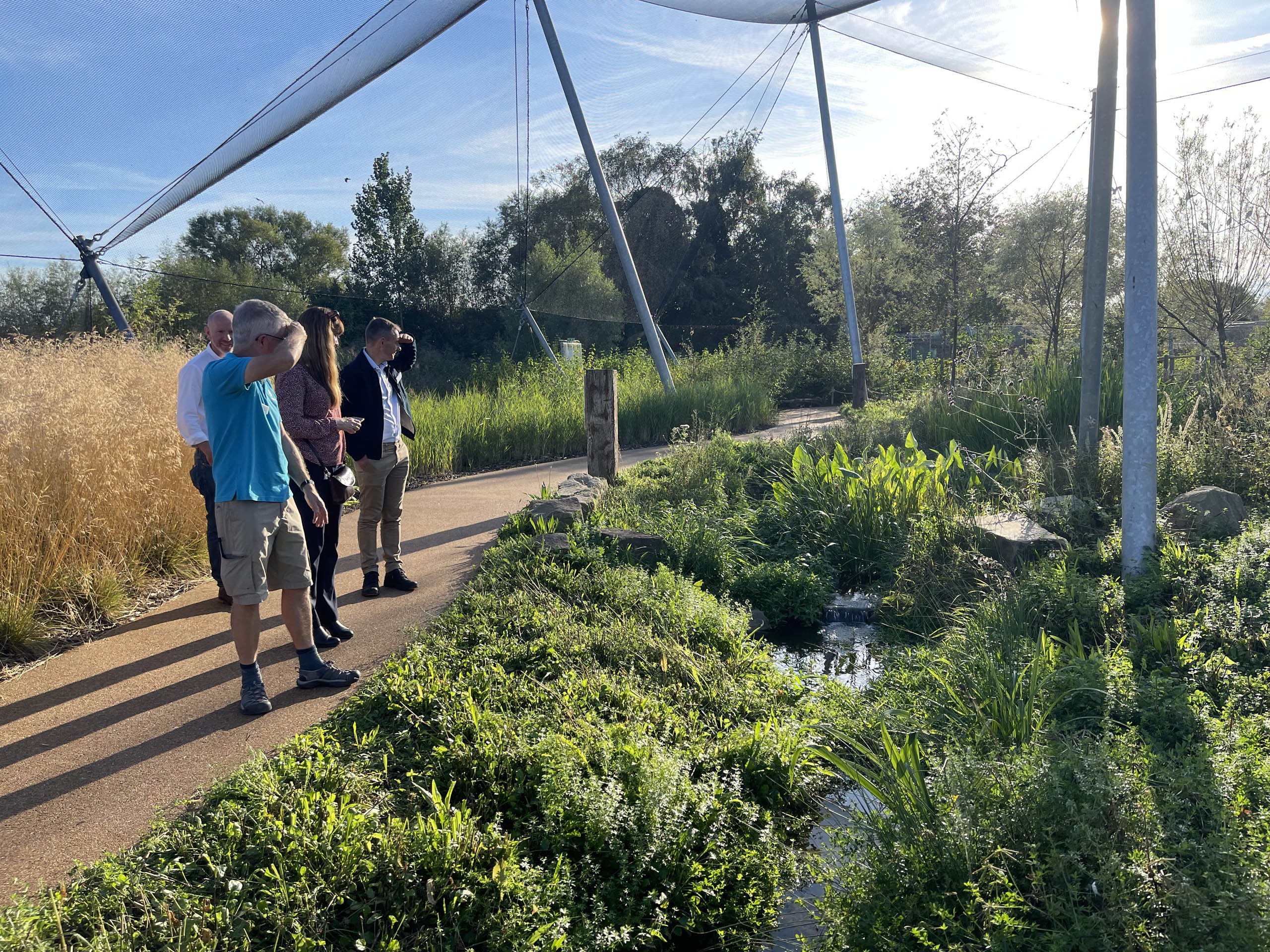
The finished scheme highlights the valuable habitat that wetlands provide and their diverse flora and fauna. The entrance gives views to an enticing, intimate amphitheatre, which visitors reach by crossing a stream bridge, and where they can watch wonders such as Sprout the pink-backed pelican taking flight. After the demonstration, visitors can take a meandering route through the aviary and catch views of native birds enjoying freshwater pools, sandy shores, reedbeds and mud flats.
The 360-seat Living Theatre features a winged shelter to help protect from the elements, and had to be high enough to enable birds to fly from the back of the tiered seating to the stage. The rainwater collected from its roof feeds into the watercourse feeding the aviary wetland as a sustainable drainage feature. Reclaimed timber groynes have been installed to create an authentic backdrop to the stage, and house the large screen. Their use is also repeated throughout the aviary as part of the signage strategy.
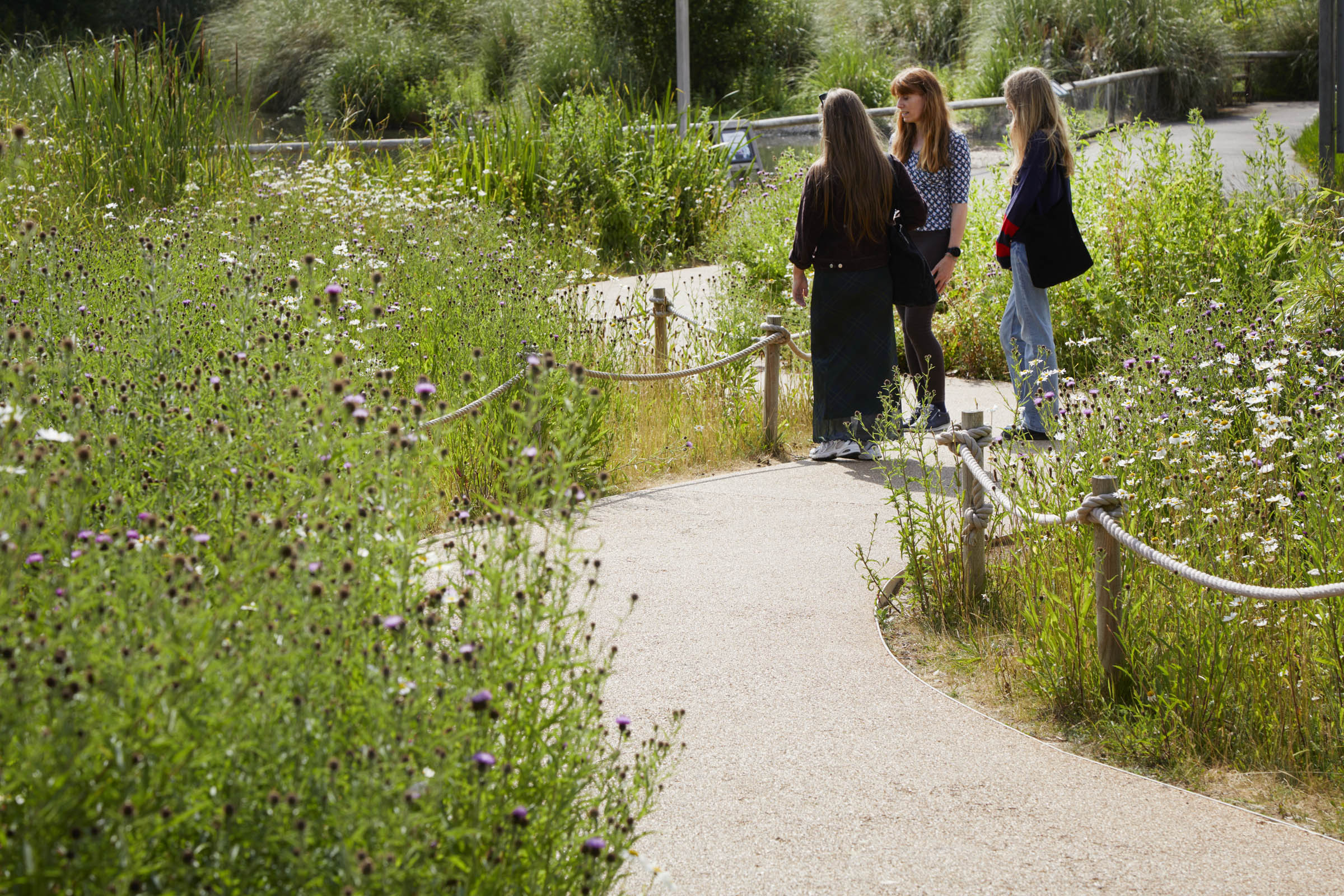
Hard landscape materials were selected to sympathetically provide even and stable routes as part of the accessibility strategy. It was important to allow easy movement from the amphitheatre through the sloping landscape of the aviary, whilst still providing a naturalistic landscape. Our design therefore features a winding path from the entrance, through the Living Wetland Theatre, and on through the aviary at accessible gradients. Bridges provide routes across streams, and a chance for visitors to experience the water close up.
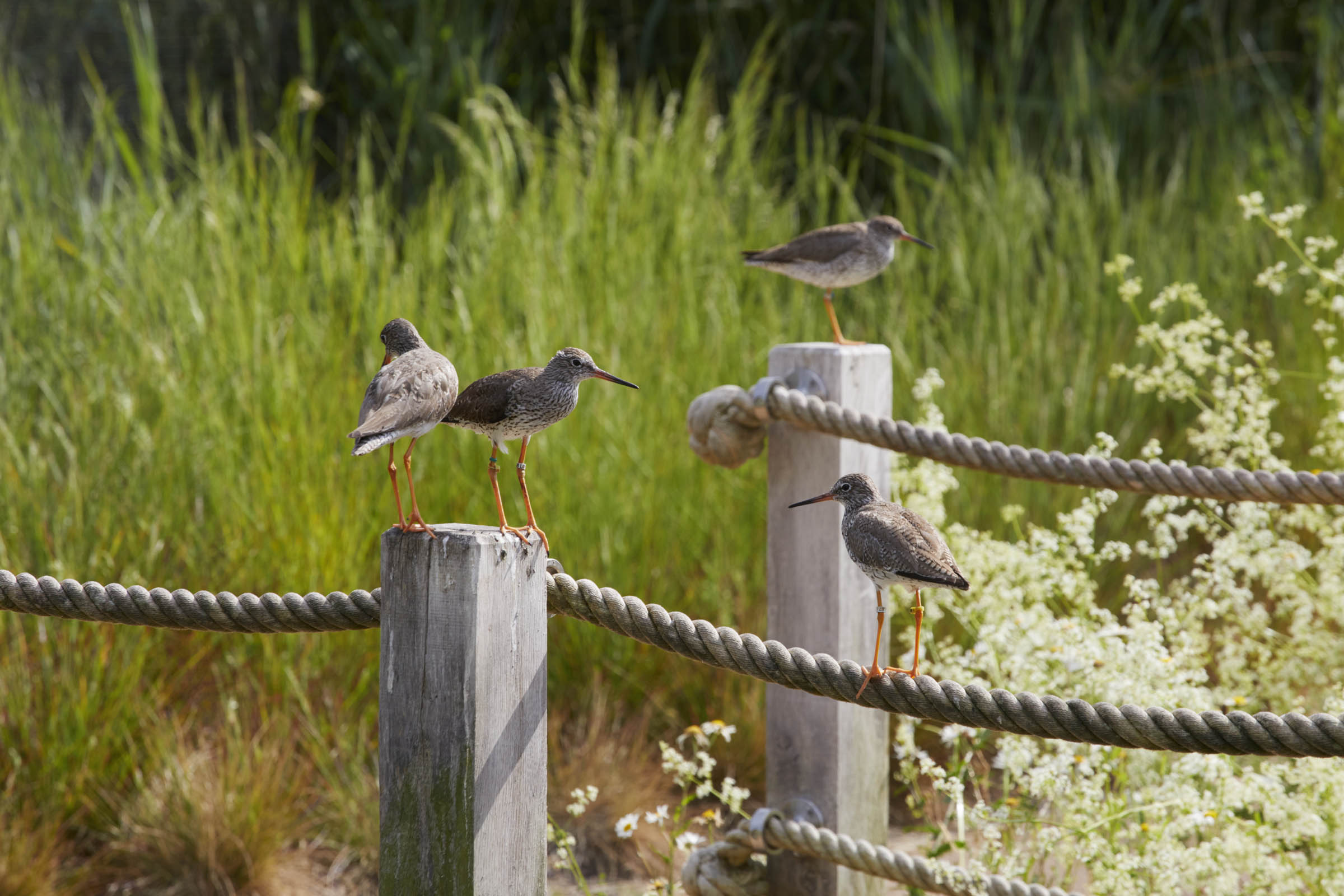
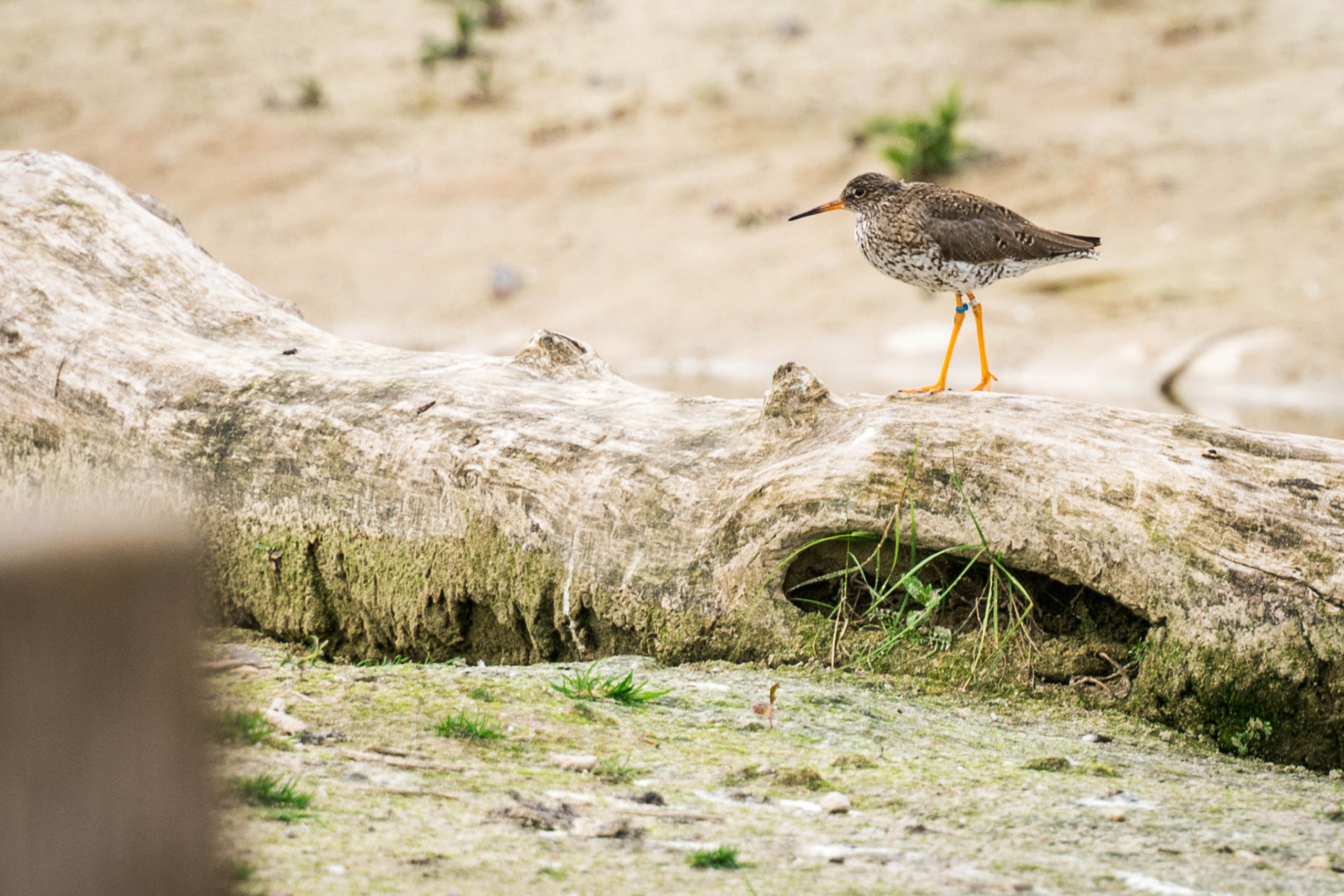
The Waterscapes Aviary saw the creation of a new lagoon, fed from a new stream which connects to Slimbridge’s wider wetland network. This provides a connected, robust and rich natural habitat for wetland invertebrates, and forms the key habitat base for the aviary’s birds. An immersive environment for visitors has therefore been created, with the sights and sounds of a British wetland – here people can look out for bearded reedlings, watch diving ducks in the underwater duck tank, and learn about butterflies, dragonflies and pond creatures that rely on wetlands for their survival.
The habitats are planted to showcase the plant biodiversity of UK wetland species matrices. Our soft landscape designs therefore comprise a variety of native trees, wildflowers, reed and aquatic planting, providing many opportunities for wildlife to find natural places to perch, nest and shelter.
Client: Wetland Wildlife Trust
Architects: Kay Elliott
Landscape Budget: £1m
“The scheme’s execution is a remarkable journey, seamlessly transitioning from initial design to intricate construction.”
Landscape Institute Judges’ comments. Highly commended for 2023 ‘Excellence in Small Landscape Design’ award